The Ney: How the Arabic Reed Flute Works and Where to Start Listening
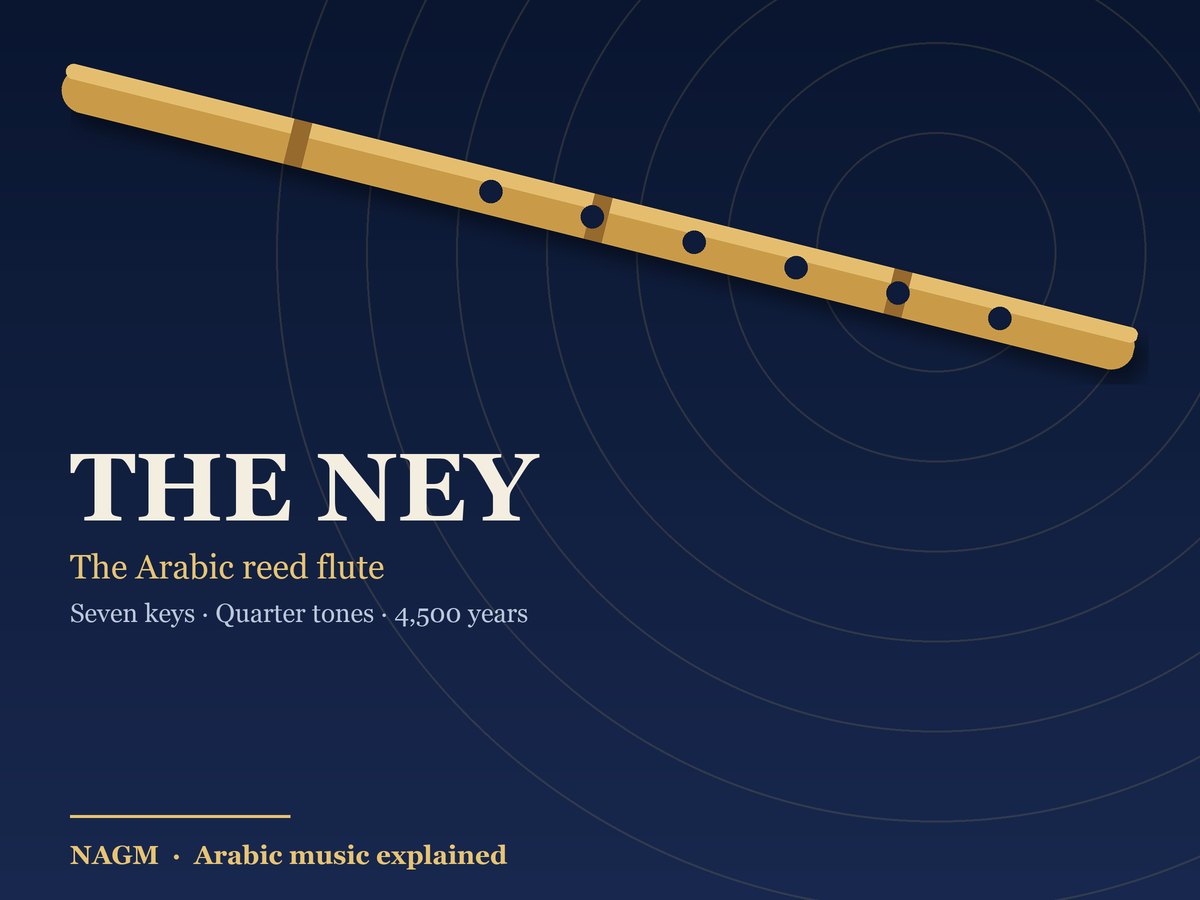
The ney is an end-blown cane flute with a 4,500-year history. Learn how it is built, why it sounds the way it does, how it differs from the kawala and what to listen for first.
Every Nagm explainer on Arabic and Dutch music, newest first: 33 guides on maqam, instruments, rhythms, singers, festivals and folk traditions.
The ney is an end-blown cane flute with a 4,500-year history. Learn how it is built, why it sounds the way it does, how it differs from the kawala and what to listen for first.
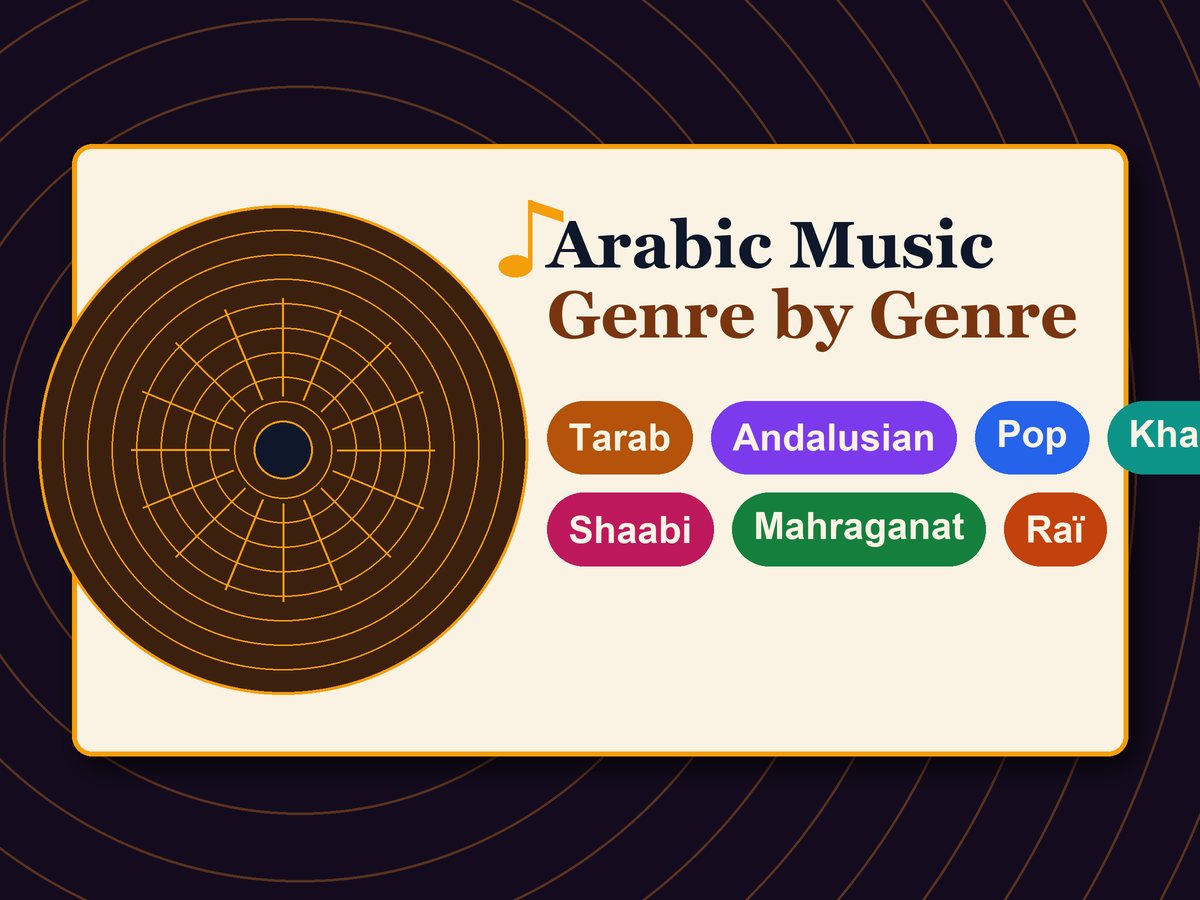
No official English-subtitled Umm Kulthum catalog exists that we could find. Here is a three-route way to follow her words: a subtitled documentary, video captions and three songs with translations.
A plain-English map of Arabic music: tarab, Arab-Andalusian songs, Arabic pop, Khaliji, shaabi, mahraganat and raï, with one artist to try for each and a simple listening order.
Fairuz's voice keeps turning up in Western tracks. Here is which of her songs were sampled by Madonna, Kanye West, Macklemore and Drake, what we can confirm, and how to hear the originals.
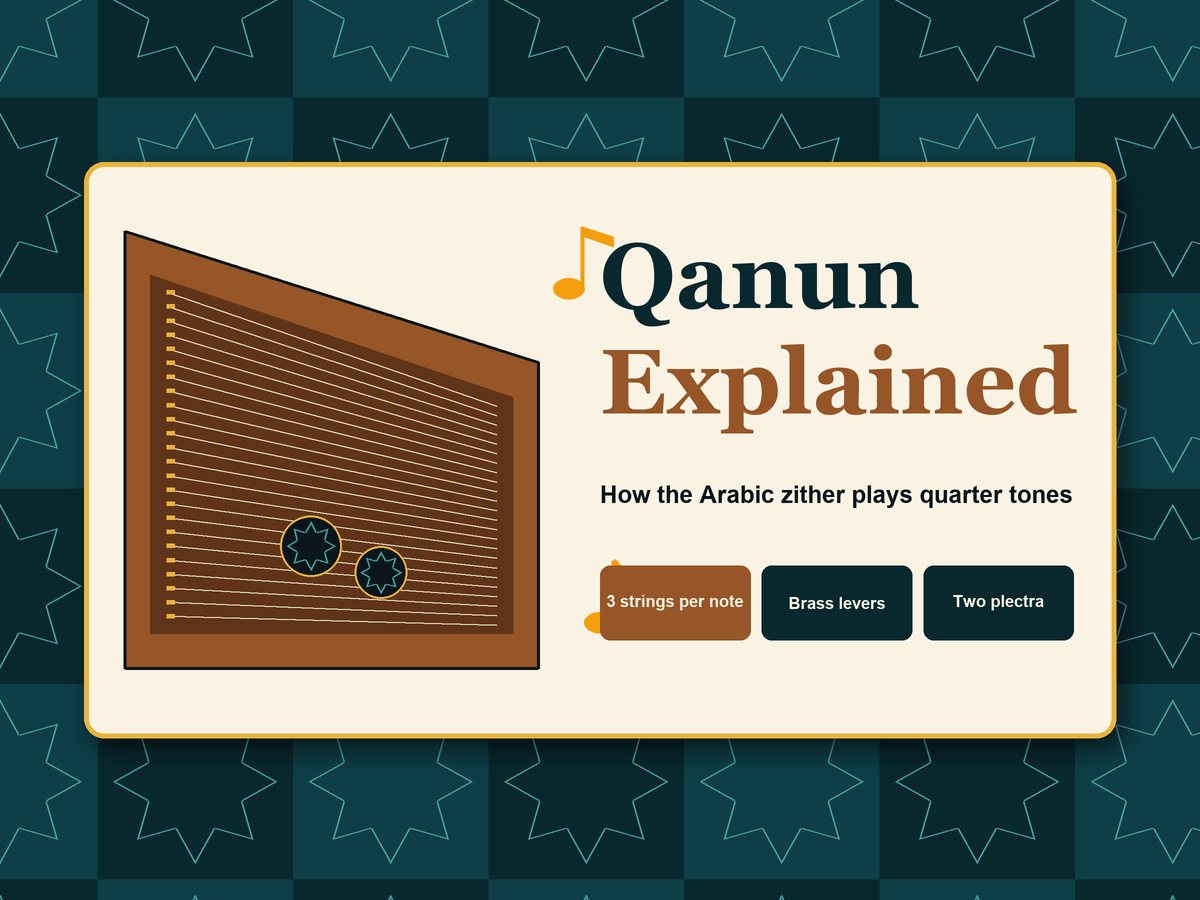
The qanun is a plucked table zither with brass levers under every string course. See how it is built, how a player changes maqam mid-song, and which recordings to hear first.
Dutch children sing to Sinterklaas at the arrival, at the shoe and on gift evening. Meet the classic songs, who wrote them and how they changed. National arrival: 14 November 2026.
New to the oud? Learn the common tunings, how to hold the risha, why maqam Rast is the best first scale, and a simple 15-minute routine for your first week.
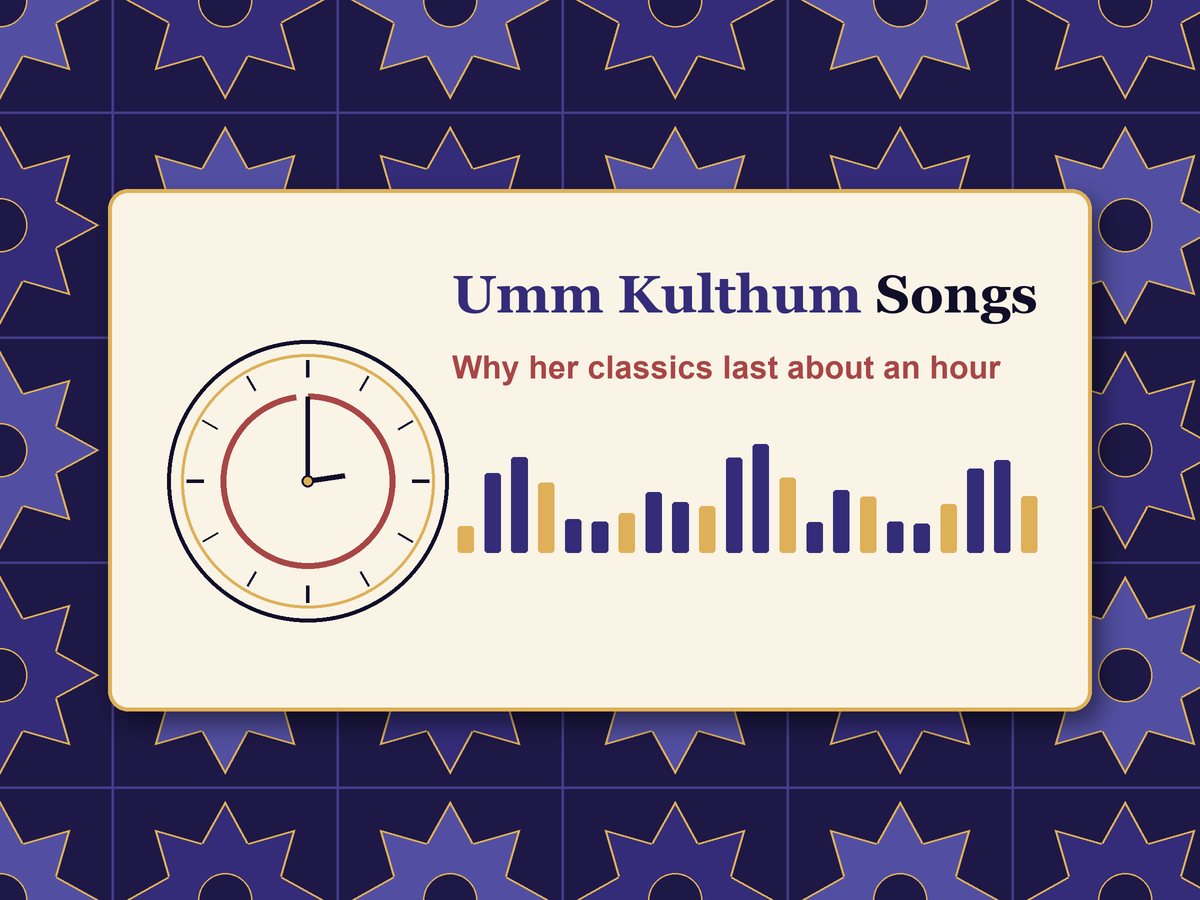
Umm Kulthum's best-known songs run about 50 to 60 minutes, and live versions ran longer. Here is why, what to expect, and how to listen for the first time.
New to Fairuz? Start with these five songs, then explore the Rahbani classics, her poetry songs, the jazzier Ziad Rahbani albums and her Christmas hymns.
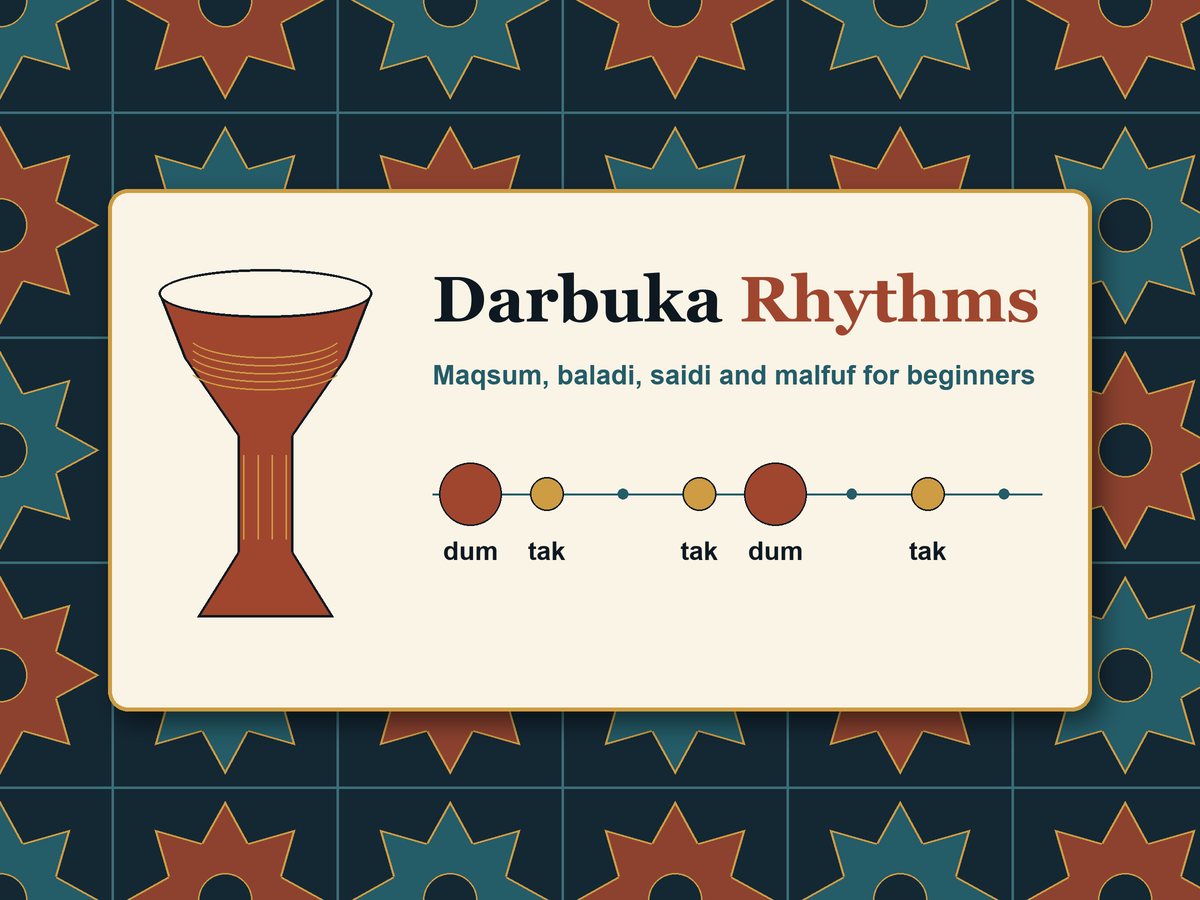
Learn the four darbuka rhythms behind most Arabic pop and dance music: maqsum, baladi, saidi and malfuf, with simple counts, the dum and tak strokes and a practice plan.
Meet the six instruments of the Arabic takht: oud, qanun, ney, violin, riq and darbuka. How each is played, what to listen for and which to learn first.
The 34th Arab Music Festival runs 20–30 October 2026 at the Cairo Opera House, honouring Hany Shaker. What it is, its 1932 roots and how to listen along.
ADE 2026 runs 21–25 October with 1,300+ events. How the Amsterdam Dance Event works, its 1996 origins, tickets, free events and tips for first-timers.
Street organs, carillons, midwinter horns, the rommelpot and the hommel: a guide to traditional Dutch instruments, how they work and where to hear them today.
From the Wilhelmus to Heer Halewijn and the Sinterklaas steamboat song: nine famous Dutch folk songs, where they come from and the surprising stories behind them.
In the Arabic tradition, poetry and music have never been fully separated. Understanding this — understanding that the great Arabic songs are also great Arabic poems — changes how you hear everything.
The Netherlands has a population of seventeen million. Its music industry has a global reach that many countries ten times its size cannot match. The reasons why are partly cultural, partly structural, and partly just lucky timing.
Where do you start with a musical tradition that spans fifteen centuries, a dozen countries, and dozens of regional variants? Here's a practical first playlist, built for curious listeners rather than scholars.
About 450,000 people speak Frisian — a language closer to Old English than to Dutch. The music they have made in that language is a small but serious tradition worth knowing about.
When the Arab Spring protests began in 2011, the images that went around the world showed crowds and placards. What those images often missed was the music — the songs that had been building to that moment for decades.
The Dutch Golden Age gave us Rembrandt and Vermeer. But it also gave us Jan Pieterszoon Sweelinck, whose keyboard works influenced every major composer who followed him — a legacy that most music lovers have never heard of.
A generation of producers in Beirut, Cairo, Tunis, and Berlin is applying electronic production to Arabic melodic traditions — not to sanitize them for Western consumption but to find out what happens when the two systems genuinely collide.
Before oil wealth transformed the Gulf states, the music of the Arabian coast was shaped by pearl diving, seafaring, and African influences brought by trade. That older sound — rawer, stranger, more complex — still exists if you know where to listen.
They grew up between a Moroccan household and a Dutch school, between Quranic Arabic and street Dutch, between gnawa and hip-hop. The music that comes from that gap is unlike anything either tradition produced alone.
When Granada fell in 1492 and Muslim Spain was over, the musicians didn't stop playing. They carried the music across the Mediterranean to North Africa, where it has been preserved for five centuries with extraordinary fidelity.
Where to hear live music in Amsterdam — from the Concertgebouw and Bimhuis to Paradiso, Melkweg, and NDSM Wharf — with practical tips for first-time visitors.
Fairuz never took political sides. That neutrality, in a country perpetually at war with itself, became its own kind of politics — and her voice became the sound of what Lebanon wishes it could be.
The line from Dutch warehouse parties in the late 1980s to the ADE conference filling Amsterdam every October runs through geography, culture, and a particular approach to nightlife that the Netherlands got unusually right.
Where the oud comes from, how it is related to the European lute, why it has no frets, and which oud players to start with — a plain-English guide for new listeners.
From Paris to Detroit to Amsterdam, Arabic-speaking artists are using hip-hop to process displacement, identity, and belonging in languages their grandparents never imagined could carry these rhythms.
Western music theory gives us major and minor scales. Arabic music gives us maqamat — dozens of modal scales, each with its own emotional character, historical associations, and rules about which notes can be used in sequence.
What traditional Dutch folk music sounds like, the instruments behind it, regional traditions from Friesland to Limburg, and where to hear it today — including in the United States.
When Om Kalthoum died in 1975, four million people flooded the streets of Cairo for her funeral — more than attended Nasser's. Understanding why requires understanding what her voice meant to an entire generation.